For weeks, millions of Americans believed they were facing a hard deadline that could disrupt how they receive their Social Security payments. Reports warning that paper checks would end completely by September 30, 2025 created anxiety, particularly among seniors, rural residents, and people without bank accounts. Now, the U.S. government has quietly stepped back from that strict position, offering reassurance that no one will suddenly lose benefits simply because they still rely on paper checks. Instead of an abrupt cutoff, federal agencies are shifting toward a gradual and flexible transition.
Table of Contents
Why the Government Is Pushing for Digital Social Security Payments
The government’s push toward electronic payments is rooted in practical concerns rather than convenience alone. Digital payments such as direct deposit and the Direct Express® debit card are faster, safer, and far more reliable than mailed paper checks. According to Treasury officials, paper checks are much more likely to be delayed, lost, stolen, or altered, especially as mail theft has increased in recent years. From a cost perspective, electronic payments also save taxpayer money. Printing, processing, and mailing millions of paper checks each month is expensive, while digital transfers are significantly cheaper and easier to manage.
The September 2025 Deadline That Sparked Confusion
In August 2025, the U.S. Treasury announced that most federal benefit paper checks would stop after September 30, 2025, under a broader initiative to modernize government payments. Initial messaging made the deadline sound firm, leading many beneficiaries to fear that failing to switch in time would result in missed payments. The Social Security Administration encouraged recipients to enroll in direct deposit or sign up for the Direct Express card, especially targeting those without traditional bank accounts. Outreach efforts increased, but the message caused concern among people who either lacked internet access or felt overwhelmed by digital banking.
Social Security Paper Checks Are Still Available for Those Who Need Them
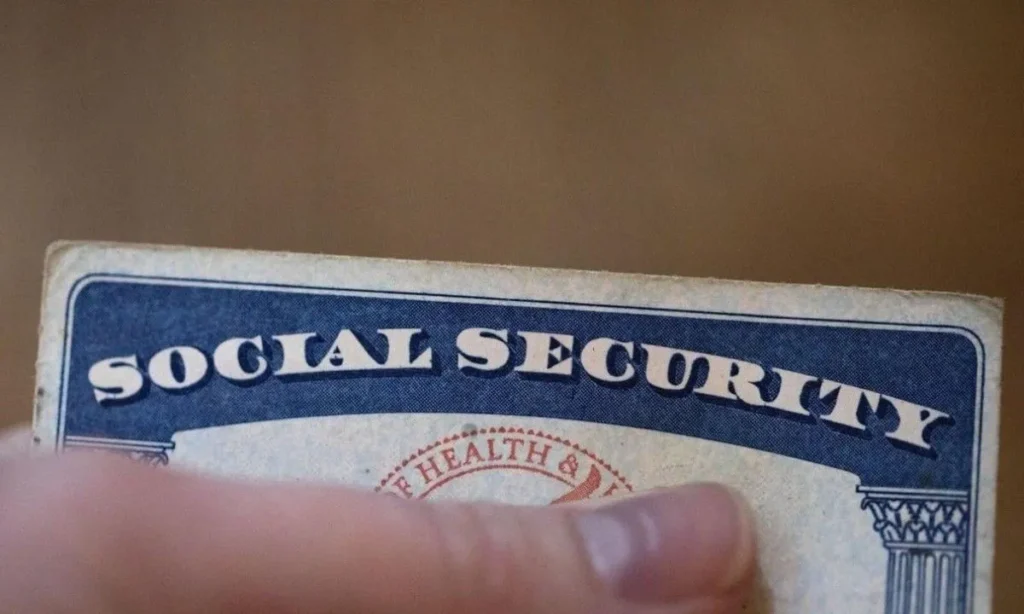
Behind the scenes, officials reassessed the situation. By late September, updated guidance confirmed that paper checks are not disappearing overnight. Beneficiaries who cannot reasonably transition to electronic payments will continue receiving paper checks, even after the deadline. This includes seniors who struggle with technology, people living in rural or remote areas without reliable banking services, and individuals who do not have smartphones or internet access. Government officials have emphasized that benefits will not be denied solely because someone cannot switch to digital payments.
What This Means for Seniors and Long-Time Beneficiaries
For many older Americans, paper checks are familiar and trusted. Sudden changes can cause confusion, stress, or even missed payments, especially for those who live alone or have limited support. The government’s revised stance ensures continuity and stability while still encouraging safer payment methods. Rather than forcing immediate compliance, agencies are now prioritizing community outreach, working with local banks, senior centers, and advocacy groups to help beneficiaries understand their options. This approach recognizes that progress should not come at the expense of accessibility.
Your Social Security Payment Options Explained
| Payment Method | Best For | Key Benefits | Things to Know |
|---|---|---|---|
| Direct Deposit | Those with bank accounts | Fast, secure, automatic | Requires bank details |
| Direct Express® Card | Unbanked beneficiaries | Government-backed, debit-style access | Must enroll |
| Paper Check | Approved hardship cases | Familiar, no technology required | Slower, higher risk |
Important Points Beneficiaries Should Keep in Mind
- Switching to electronic payments is encouraged but not mandatory for everyone
- Paper checks remain available for people with verified challenges
- Applying early for a waiver can help avoid future delays
- Support is available through official SSA and Treasury resources
What You Should Do If You Still Receive Paper Checks
If you currently receive paper checks, there is no need to panic. You can continue with your existing method if switching is not realistic for you. However, if you do have access to a bank account, setting up direct deposit is the safest and most efficient option. For those without banks, the Direct Express card offers a secure alternative without requiring a traditional account. If neither option works for your situation, you can request an exemption through the U.S. Treasury. Applying sooner rather than later can help prevent disruptions, even though paper checks are still being issued for eligible individuals.