The discussion around $1,200 stimulus checks in 2025 has created renewed hope for millions of Americans who rely on SSI, SSDI, and Social Security retirement benefits. For seniors, people with disabilities, and low-income households, everyday expenses such as groceries, rent, utilities, and medical care have continued to rise faster than monthly benefit payments. This proposed one-time stimulus aims to ease that pressure and provide short-term financial breathing room when it is needed most.
Table of Contents
What the $1,200 Stimulus Check Means in 2025
The $1,200 stimulus payment follows the same basic idea as earlier federal relief efforts: providing direct cash assistance to individuals facing economic strain. While it is not a recurring benefit, the payment is intended to help households manage urgent expenses and recover from financial setbacks caused by inflation and rising costs. For many SSI and SSDI recipients, even a single unexpected expense can disrupt an entire monthly budget. This one-time payment can help cover essential needs, prevent missed bill payments, and reduce reliance on credit or loans. The funds are not taxable and do not reduce existing Social Security benefits, making the support more meaningful for recipients.
Who Is Expected to Qualify for the $1,200 Payment?
Eligibility for the 2025 stimulus check is tied directly to participation in federal benefit programs. Individuals already receiving qualifying benefits are expected to be included automatically, without the need for a separate application. Those most likely to qualify include people receiving Supplemental Security Income (SSI), Social Security Disability Insurance (SSDI), and Social Security retirement benefits. Low-income individuals who are registered within Social Security systems may also be covered, even if they do not typically file a tax return. In some cases, individuals who recently began receiving benefits may see slight delays while records are updated between agencies.
$1,200 Stimulus Check 2025, Key Details Overview
| Category | Information |
|---|---|
| Payment Amount | $1,200 (one-time payment) |
| Eligible Programs | SSI, SSDI, SSA Retirement |
| Application Needed | No |
| Payment Methods | Direct Deposit, Direct Express Card, Paper Check |
| Taxable | No |
| Administered By | Social Security Administration & IRS |
| Country | United States |
| Official Sources | ssa.gov, irs.gov |
How and When the Stimulus Payment Will Be Sent
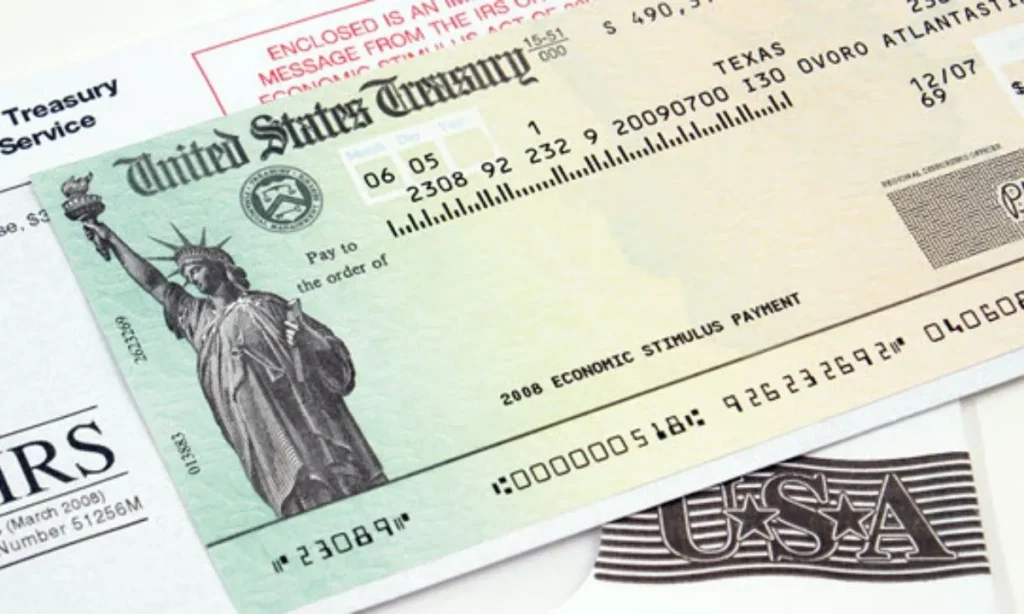
One of the most reassuring aspects of the $1,200 stimulus check is that no application is required. Payments are expected to be issued automatically using the same method beneficiaries already use for their monthly Social Security benefits. Most recipients will receive their money through direct deposit, which is typically the fastest option. Those who use a Direct Express debit card will see the funds loaded automatically, while individuals who receive paper checks will have their stimulus mailed to the address on file. While exact payment dates have not been officially confirmed, similar programs in the past suggest that payments could begin within weeks of formal government approval.
How Recipients Are Likely to Use the $1,200 Stimulus
There are no restrictions on how the stimulus money can be spent, giving recipients full control over how to use the funds. For households on fixed incomes, this flexibility is critical. Many are expected to prioritize essentials and overdue bills that have accumulated over time.
Common uses may include:
- Covering rent, mortgage, or utility bills
- Purchasing groceries and household necessities
- Paying for medical care, prescriptions, or transportation
This spending not only helps individual households but also supports local businesses and services, creating a ripple effect within communities.
Why This Stimulus Matters for SSI and SSDI Recipients
For people living on Social Security benefits, monthly payments often leave little room for emergencies. Rising prices have made it increasingly difficult to keep up, especially for those who cannot supplement their income through work. The $1,200 stimulus check offers short-term relief while acknowledging the long-term challenges faced by fixed-income Americans.
The $1,200 stimulus check for SSI, SSDI, and Social Security recipients in 2025 represents targeted support for Americans who are most affected by rising living costs. While it is a one-time payment, its impact can be meaningful for households struggling to balance basic expenses. To stay informed, beneficiaries should rely only on official government sources such as the Social Security Administration (ssa.gov) and the IRS (irs.gov). Avoid unofficial messages or emails claiming early access or guaranteed dates, as these are often misleading.
Frequently Asked Questions (FAQs)
Who qualifies for the $1,200 stimulus check in 2025?
Individuals receiving SSI, SSDI, or Social Security retirement benefits are expected to qualify. Low-income individuals registered with the SSA may also be included.
Do I need to apply for the stimulus payment?
No. Payments are expected to be issued automatically using existing SSA and IRS records.
How will the $1,200 stimulus be delivered?
The payment will be sent via direct deposit, Direct Express card, or paper check, depending on how you currently receive your benefits.
When will the stimulus checks be sent out?
Exact dates have not been confirmed, but payments are generally expected within weeks of official approval.
Is the $1,200 stimulus check taxable?
No. The payment is not considered taxable income and will not affect your Social Security benefits.
Can I track my payment status?
Yes. Once issued, payment status updates are typically available through official IRS tools and announcements.
What can I use the stimulus money for?
There are no restrictions. You may use the funds for rent, food, medical expenses, utilities, transportation, or other personal needs.